

Dogs notice a house move long before the van arrives. Boxes appear, routines slip and familiar furniture vanishes. Once you have moved, the garden becomes a big part of how a dog settles. It is where they will spend time, burn off energy and come back muddy from walks, so planning it with the dog in mind pays off in the first weeks and for years after.
Before moving day
Keep your dog’s routine as normal as you can while you pack. Walks, meals and bedtime at the usual times give them something steady. On the day itself, many owners arrange for the dog to stay with a friend or a trusted kennel so they are not underfoot while doors are open and furniture is carried out.
- Pack a separate bag with food, bowls, lead, bedding and favourite toys.
- Update the microchip record with your new address and phone number.
- Order a new tag for the collar with your current contact details.
- Find a vet near the new home and register before you need one.
Check the garden is secure
Before your dog sets foot in the new garden, walk the whole boundary. Look for gaps under fences, loose panels, low walls and gates that do not latch properly. A dog that is unsettled is more likely to try to get out, and an unfamiliar neighbourhood is the worst place for them to get lost. Check for plants that may be harmful to dogs and remove any rubbish the previous owners left behind.
Dealing with mud
Every dog owner knows the trail of paw prints across a clean floor. Set up a routine at the back door from day one: an old towel on a hook, a bucket of water or a shallow tray for paws, and a mat just inside. Having somewhere sheltered to dry the dog off before they come in keeps the new house cleaner and gives the dog a clear signal that the walk is over.
A sheltered spot of their own
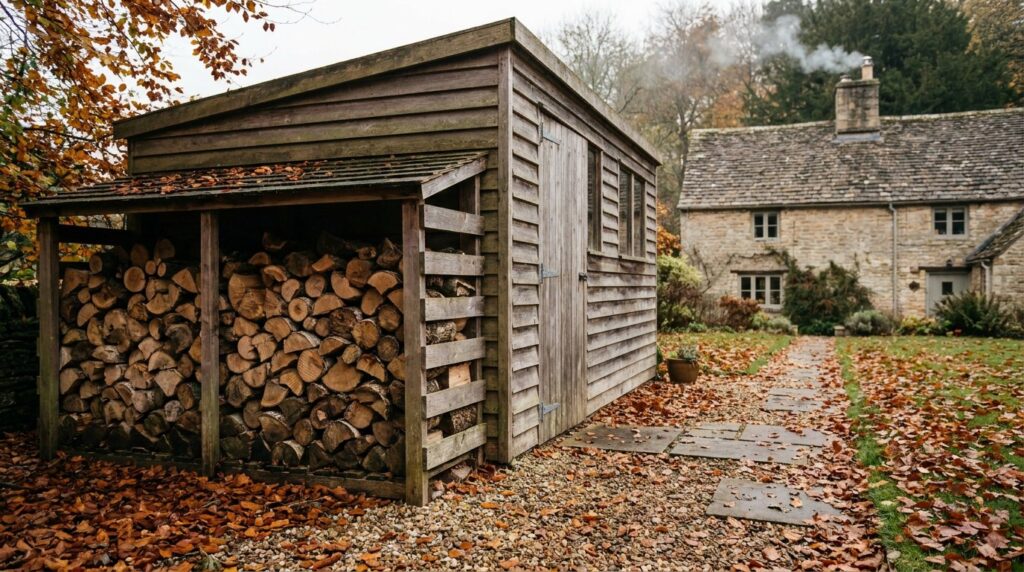
Many dogs like a shaded, sheltered place outside, especially in warm weather or while you are working in the garden. Some owners combine that with general storage, so the dog’s things, garden tools and logs share one tidy building rather than several. Midlands Sheds and Summerhouses, a family-run business based in Birmingham that hand-builds timber garden buildings, makes a garden shed with a dog kennel that includes a 6 x 6 dog kennel, a 6×6 log store combi and a 4 ft wide double door into the main shed. The company can adjust sizes and layouts to suit a customer’s garden, and its installation service covers certain postcode areas only, so ask the sales team about yours.
An outdoor kennel is a shelter for part of the day, not a replacement for your dog’s place indoors with the family. Your vet can advise on what suits your dog’s age, breed and health.
Settling in
For the first few days, stay with your dog in the garden rather than leaving them out alone. Let them explore on a lead at first, then off it once you are sure the boundaries are secure. Walk the new local routes at quiet times so they learn the area gradually. Expect some unsettled nights; a familiar bed and a worn item of your clothing can help.
Keep an eye on how neighbours’ dogs react along shared fences, and be ready to plant a hedge or add a screen if barking becomes a problem.
Practical points for the build
Any timber building needs a solid, level base and clear access for delivery. Check the planning position on the Planning Portal or with your council if you are unsure, and treat the timber once it is installed.
A move is a big event in a dog’s life. With a secure garden, a sensible routine at the back door and a sheltered place to call their own, most dogs settle quickly, and the new garden soon becomes their favourite part of the home.