

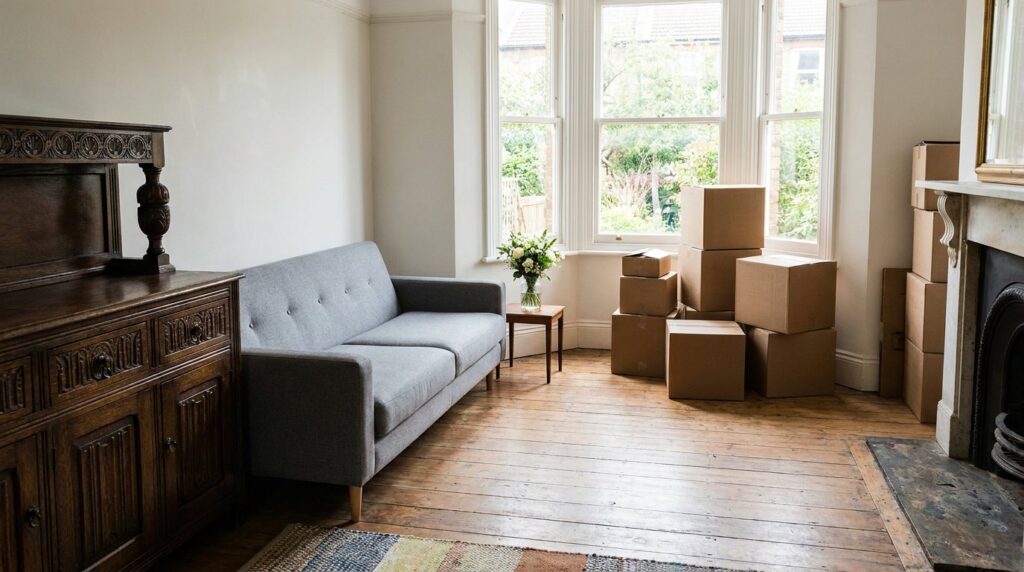
Moving in with a partner is a time for choosing sofas and working out whose saucepans to keep. If you are renting and own little of note, a will probably seems like something for older people with houses. Yet unmarried couples are among those most likely to be caught out when the worst happens, and the reason surprises many of them.
There is no such thing as a common-law spouse
Many people believe that after living together for a while, a couple acquire the same rights as if they were married. In England and Wales, they do not. If someone dies without a valid will, the rules of intestacy decide who inherits, and an unmarried partner has no automatic share, however long the relationship has lasted. The estate may instead go to children or, if there are none, to parents, brothers, sisters or other relatives. Scotland and Northern Ireland have their own rules, and GOV.UK has a simple tool for working out who inherits in England and Wales.
A surviving partner may be able to apply to the court for financial provision, but that means making a claim at a very difficult time. It is much kinder to leave clear instructions.
What you own is probably more than you think
People who rent often say they have nothing to leave. Then they start packing. Between you, there might be savings, a car, a pension, a life insurance policy through work, a bicycle worth more than the car and a houseful of furniture bought over the years.
Joint purchases are particularly worth thinking about. If you bought the bed and the television together but there is no paperwork to show it, your partner could end up having awkward conversations with your family about what belonged to whom. Keeping receipts and a basic list of who paid for larger items will help, and moving day is an ideal time to make one.
What a will can do for a couple
A will allows you to say exactly who should inherit, and to appoint someone you trust to deal with your affairs. If you have children, it can name guardians for them. It can also cover practical matters such as who should look after a pet.
For those in the West Midlands, Imperial Law offers a will writing service in Wolverhampton, and its guide explains what a will is, why it matters even if you think you do not need one, and which circumstances make having one especially advisable. Each partner needs their own will, and it is worth remembering that getting married generally cancels an existing will unless it was written with that marriage in mind.
Check the things a will does not cover
Not everything passes under a will, so a few other checks should go on the moving-in list:
- Your tenancy: whether you are both named on the agreement can make a real difference to a surviving partner’s position, so read it and take advice if only one of you is named.
- Pensions and life insurance: many schemes ask you to nominate who should receive any payment, and an old form may still name a former partner or a parent.
- Joint bank accounts: money in a joint account usually passes to the other holder, while money in a sole account does not.
- Next of kin details: make sure employers and your GP have up-to-date information.
An easy conversation to have now
Talking about wills might not feel romantic, but it is a good deal easier over a takeaway among the unpacked boxes than it would be in a crisis. Ask each other a few simple questions. Who would you want to have your savings? Would you want your partner to stay in your home? Where do you keep your important paperwork?
Your first shared address is a good moment to get this sorted out. A properly made will takes some thought and a little organisation, and it means that the person you chose to build a home with is not left relying on the kindness of others.